

8 MW
Phase 1 powered shell capacity, targeted for commercial operation in Q1 2027.
Energy Infrastructure · Power & Resilience
Project Overview
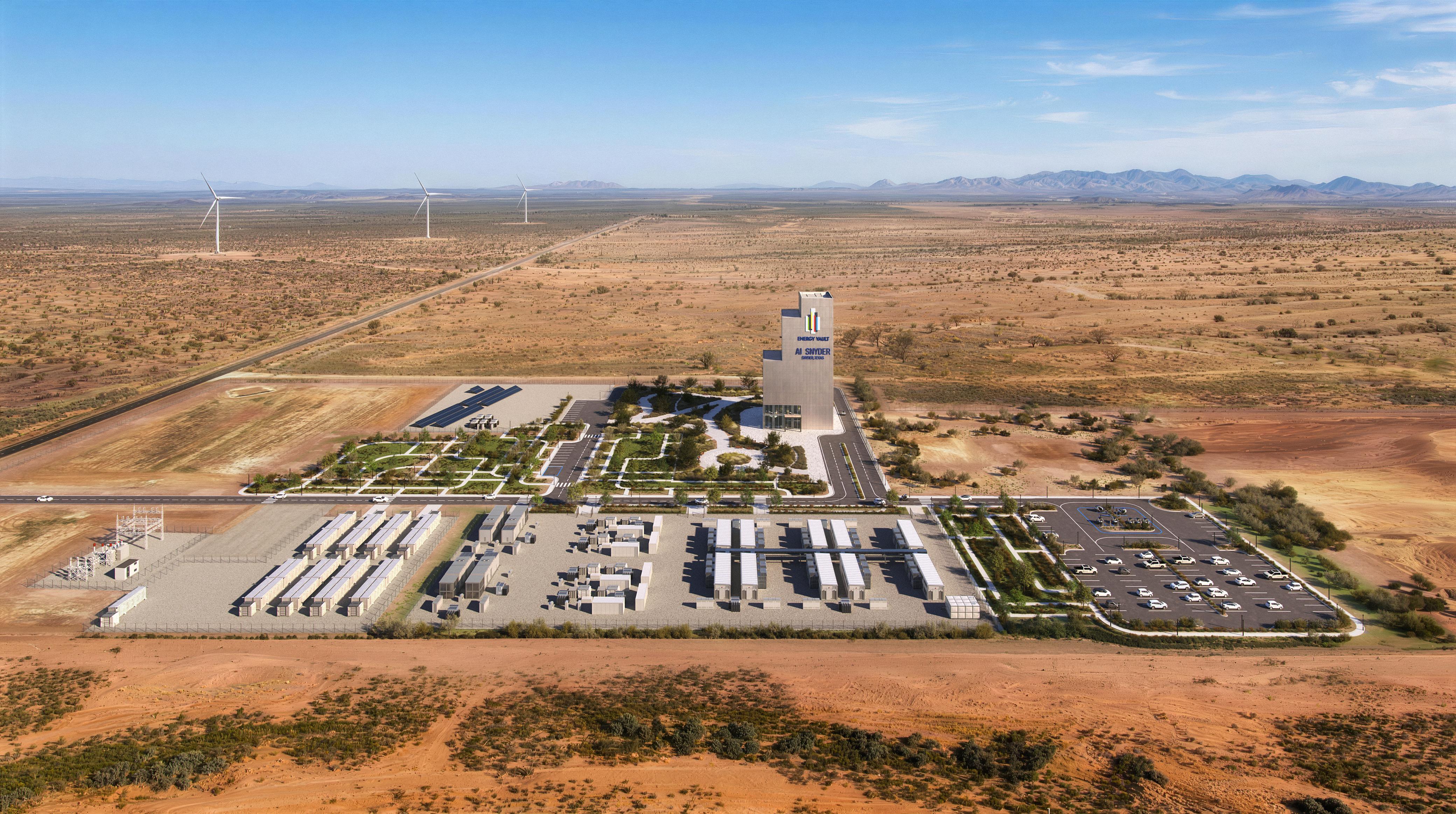
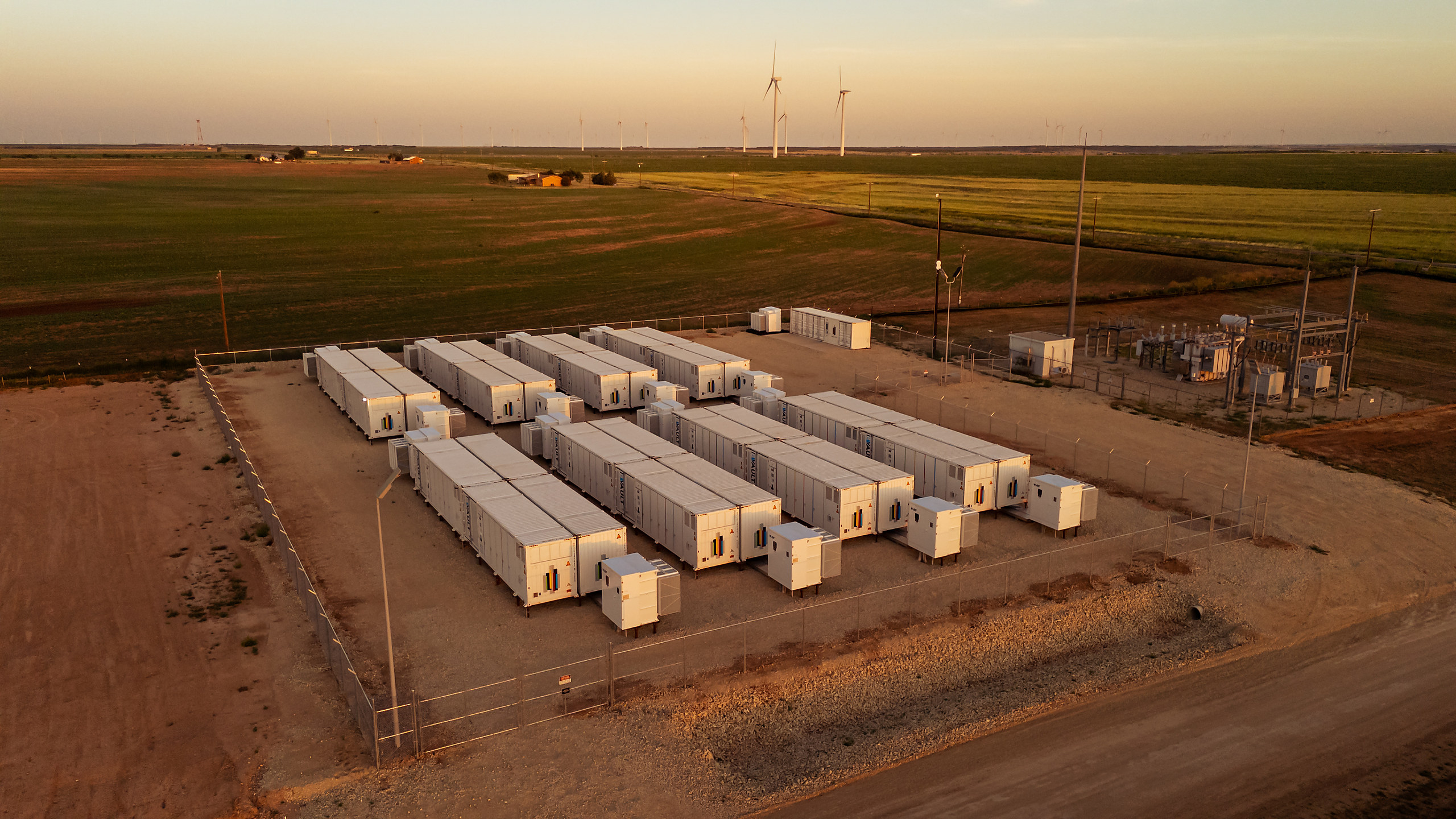
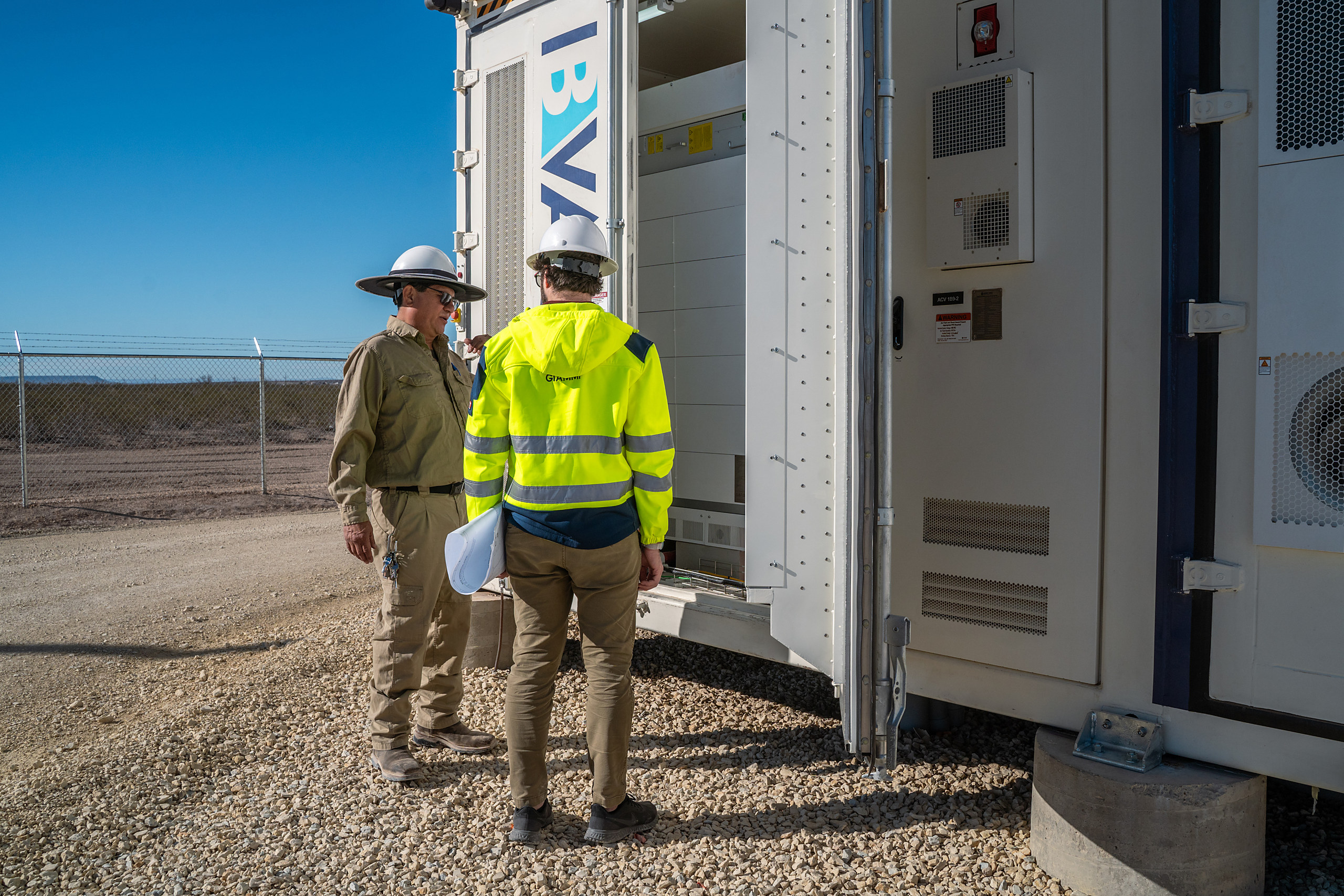
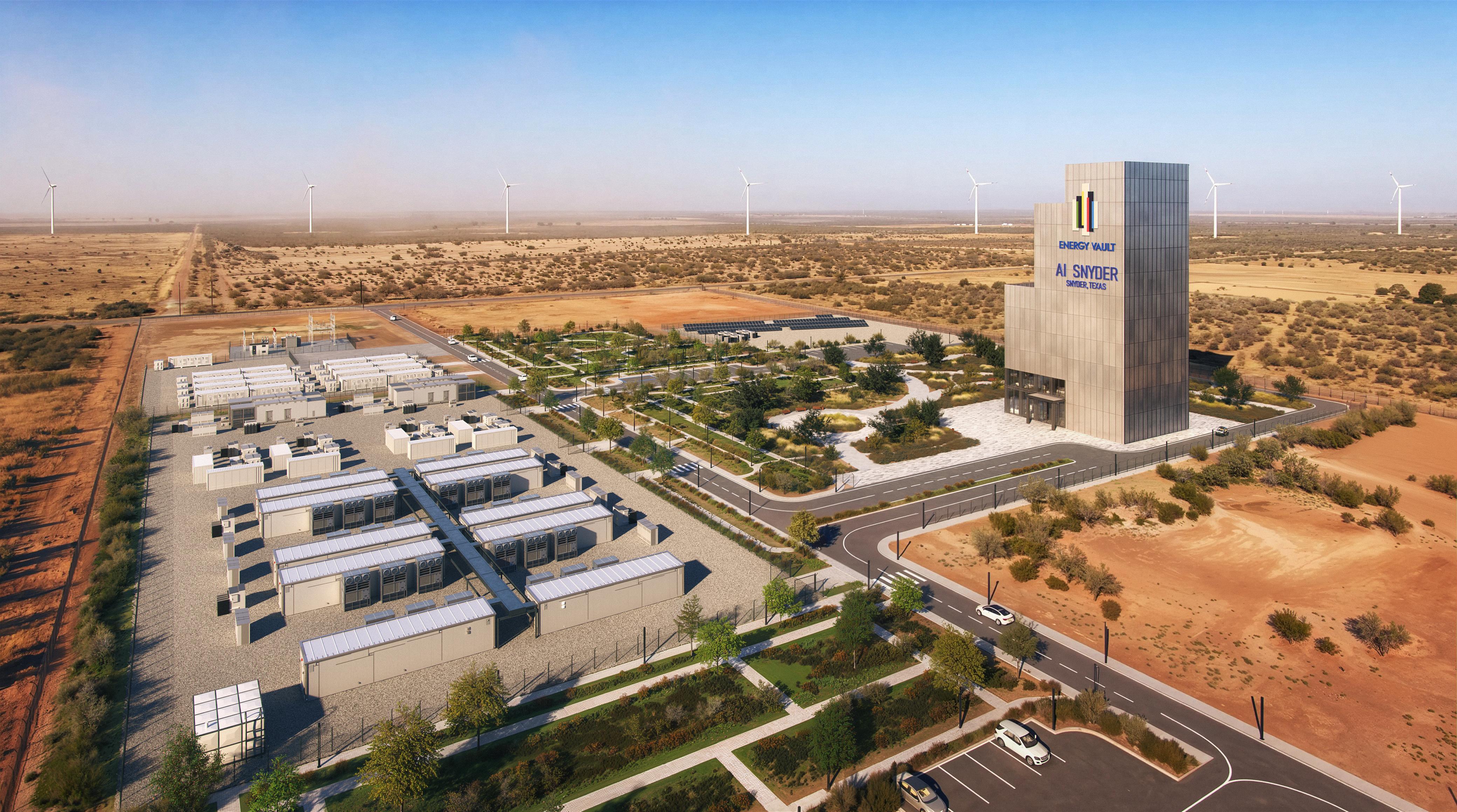
SnyderAI is Energy Vault's first powered AI infrastructure campus, delivering powered land, electrical infrastructure, and modular data center capacity to Crusoe Cloud.
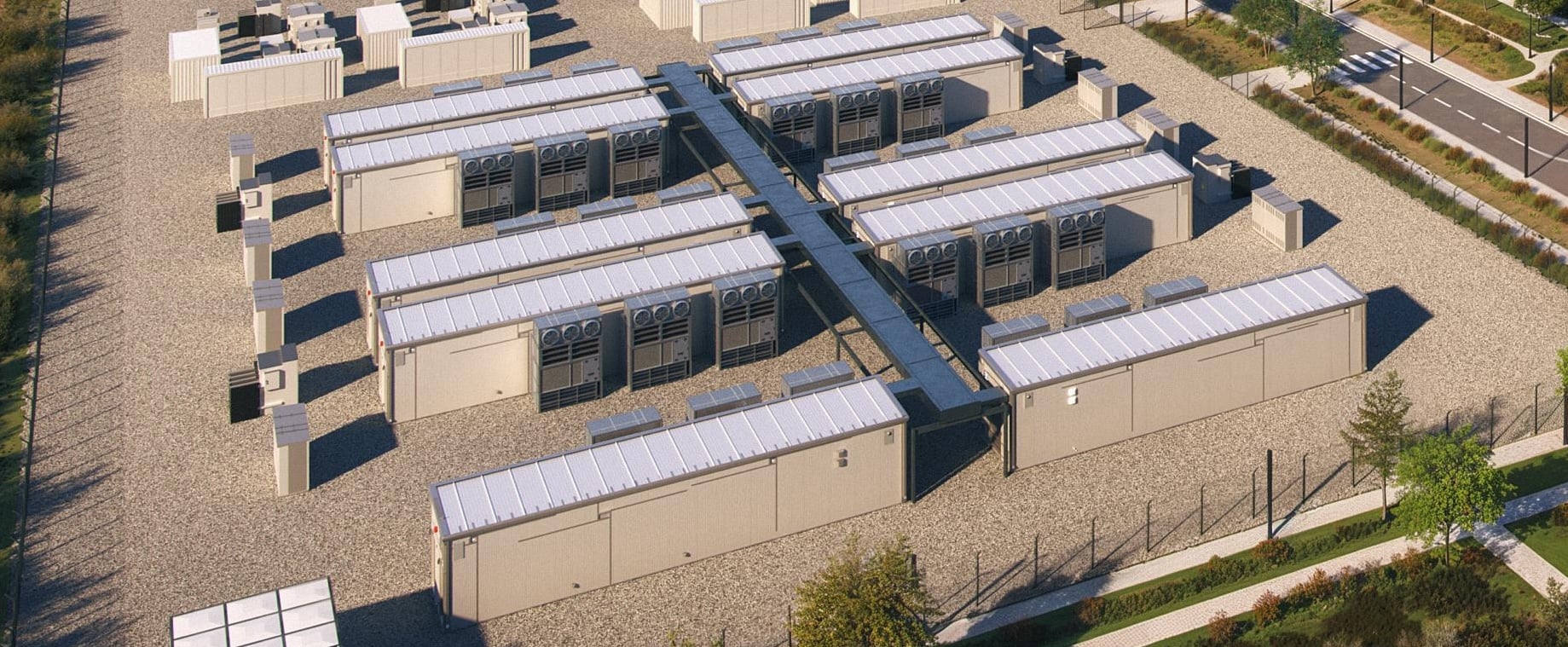
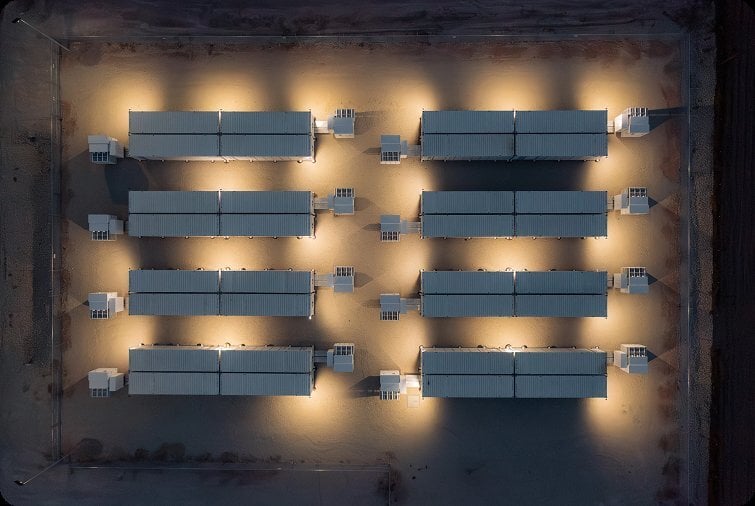
Phase 1 will deploy 8MW of powered shell capacity, expandable to 25MW, with the site designed for long-term capacity expansion up to 500MW. The campus combines Energy Vault's battery energy storage systems (BESS) with N+1 redundant power infrastructure to support Crusoe Spark™ modular data centers, which are purchased by Energy Vault and leased back to Crusoe as powered shell infrastructure. The initial 8MW deployment is targeted for commercial operation in Q1 2027.
Project Delivery Highlights

8 MW
Phase 1 powered shell capacity, targeted for commercial operation in Q1 2027.
25 MW
Phase 2 power capacity in 2027, expanding the Phase 1 deployment.
500 MW
Long-term capacity the site is designed to expand to.
FAQ
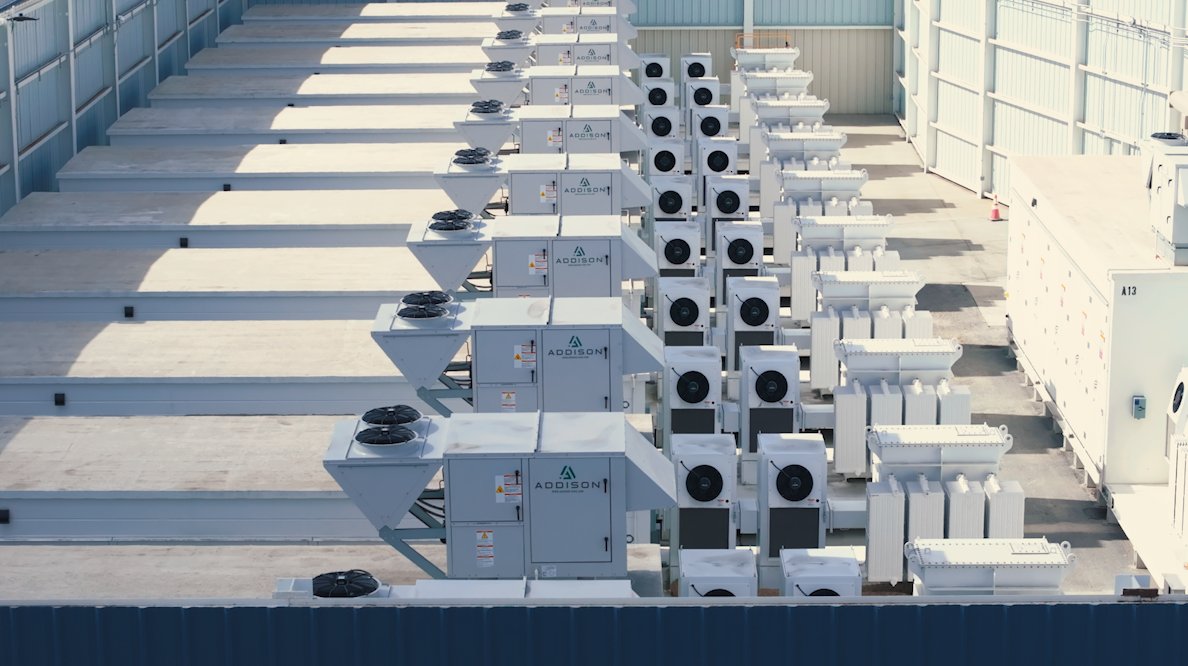
No. The units are air-cooled. The cooling system runs on air, not water. There will be a total of 33 modular units. Each modular unit uses approximately 9 gallons of water per day. This water serves a single purpose: maintaining humidity inside the unit, comparable to a household humidifier. Combined, the project uses approximately 297 gallons of water per day, only slightly more than the average daily water consumption of two homes in Snyder, Texas, which is approximately 130 gallons per day.
There are no cooling towers. There is no evaporative cooling. The water footprint of this project is measured in gallons per unit, not in the millions of gallons used by large-scale facilities.
No.
The project uses pre-manufactured modular units rather than a single large building. This design keeps the footprint small, limits on-site construction, and allows capacity to be added in incremental steps as demand grows.
The Snyder AI project brings investment and economic activity to Snyder and Scurry County while keeping local impact low. The modular design delivers the benefits of new technology investment without the footprint, traffic, and resource demands of a large campus.
The project is expected to support the local economy through construction and operations activity, local contracting opportunities, and ongoing tax revenue.
In the News
Discuss your project requirements with our team.